
Soup Recipes
Soup recipes are the cozy, comforting answer to just about any mealtime dilemma.
Whether you’re craving something creamy, brothy, hearty, or veggie-packed, this roundup has a little something for everyone—yes, even the picky eaters.
I’m sharing a warm and satisfying collection of recipes that are easy to make and full of flavor.
From quick weeknight options to slow-simmered classics, you’ll find soups that work for every season, every skill level, and every craving.
Whether you’re feeding a crowd, stocking your freezer, or just need something nourishing in a pinch, these recipes will have you ladling up second helpings in no time.

Must Try Soup Recipes:
- Minestrone Soup
- Panera Copycat Autumn Squash Soup
- Instant Pot Chicken Gnocchi Soup
- Chicken Noodle Soup
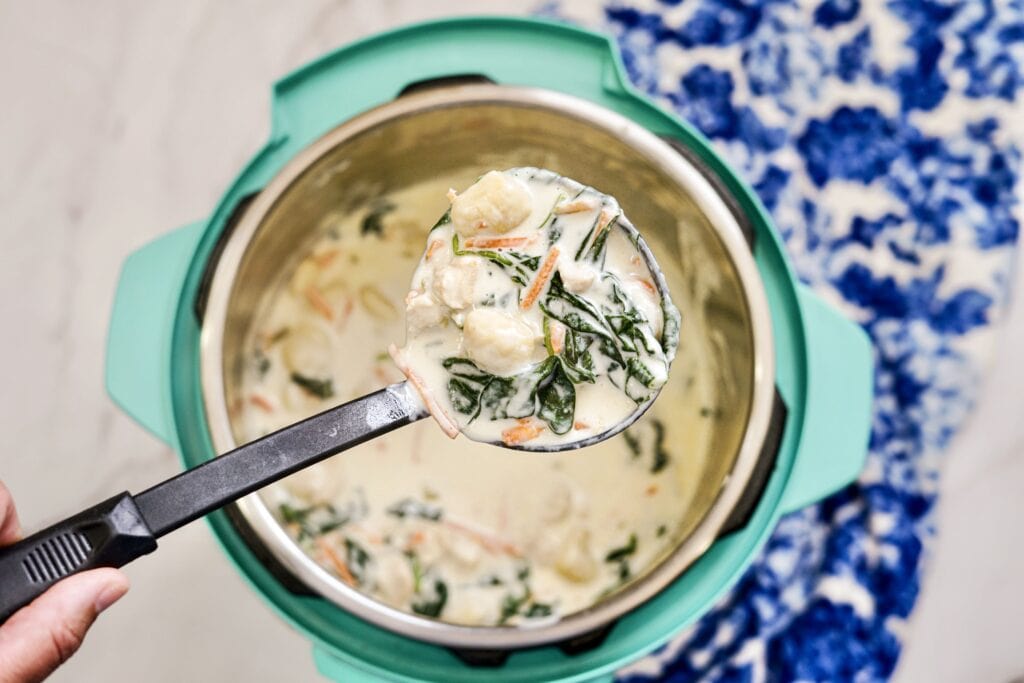
What can you add to soup to make it more hearty?
A hearty soup means it’s filling, satisfying, and often loaded with substantial ingredients like meat, grains, or starchy vegetables. It’s the kind of soup that feels like a complete meal—not just a light starter. Hearty soups are warm, comforting, and often have a thicker texture or rich, robust flavor.
To bulk up your soup and make it more satisfying, try adding:
- Protein: Cooked chicken, beef, sausage, ground turkey, tofu, or beans
- Grains & Pasta: Rice, quinoa, barley, lentils, or small pasta like orzo or macaroni
- Starchy Veggies: Potatoes, sweet potatoes, squash, or corn
- Dairy or Cream: A splash of cream, milk, or shredded cheese for richness
- Eggs: A poached egg or stirred-in egg for extra protein and texture
- Toppings: Croutons, shredded cheese, chopped bacon, or a dollop of sour cream
These additions turn a basic broth into a bowl that sticks to your ribs!
Tips for Making Delicious Soup Recipes
- Build flavor from the bottom up – Start with aromatics like onions, garlic, carrots, and celery. Sautéing them in oil or butter creates a flavorful base (called a mirepoix).
- Don’t forget to season as you go – Salt and pepper aren’t just finishing touches—layer seasoning throughout the cooking process to bring out the best flavors.
- Add herbs at the right time – Dried herbs should go in early to simmer and release their flavor, while fresh herbs like parsley or basil should be added at the end.
- Puree for a creamy texture (without cream) – Use an immersion blender to blend part of the soup for a thicker texture without needing heavy cream or flour.
- Leftovers taste even better – Soup often tastes better the next day once the flavors have had time to meld. Make a big batch and enjoy it all week.
- Freeze in portions – Cool your soup completely and freeze in airtight containers or freezer bags for easy future meals.
Short answer: No — but they’re closely related.
Stew is thicker, heartier, and has less liquid. Soup is more broth-forward and meant to be eaten with a spoon. A good rule of thumb:
If you need a fork, it’s probably a stew.
If you need a spoon, it’s a soup.

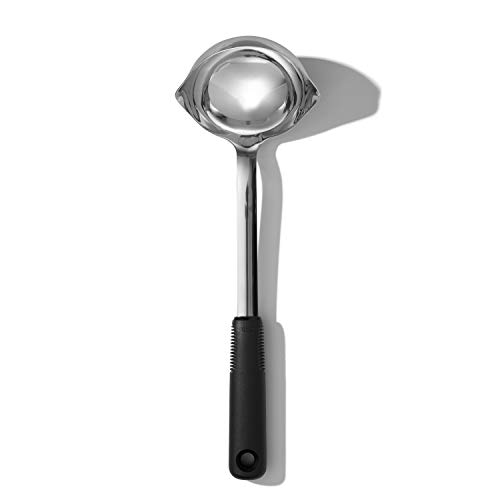
OXO Good Grips Stainless Steel Ladle T-fal Specialty Nonstick Stockpot With Lid 12 Quart, Oven Broiler Safe 350F, Stay-Cool Handles, Kitchen, Cookware, Pots and Pans, Stock Pot, Soup Pot, Cooking Pot, Dishwasher Safe, BlackLe Creuset Enamel on Steel Traditional Stockpot, 10 qt., Artichaut with Stainless Steel KnobLe Creuset Enameled Cast Iron Signature Oval Dutch Oven, 8 qt., CeriseKooK Soup Bowls, Cereal Bowl, Ceramic, Bowls for Kitchen, Microwave, Dishwasher and Freezer Safe, Porcelain Dishes for Pasta, Salad, Oatmeal, Deep Interior, 20 oz, Set of 6, (White)


Looking to level up your soup game? Be sure to check out these helpful ideas and tips that’ll make every bowl even better:
- Fresh or dried, the best herbs for soup add layers of flavor—think thyme, rosemary, and bay leaves to make your broth sing.
- Master a basic roux recipe to create thick, velvety soups and stews—it’s easier than you think and totally worth learning!
25 Comments